What are the most important dimensions for switched and synchronous reluctance motors? The same ones as for all motors, luckily – click for details!
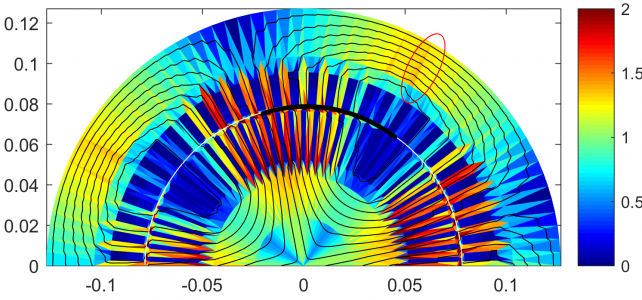
Electric Motor Design, plus stuff
What are the most important dimensions for switched and synchronous reluctance motors? The same ones as for all motors, luckily – click for details!

Hypehypehypehypehypehypehypehypehype Alright, let’s be serious. Interest in machine learning is booming. (And I refuse to use the term artificial intelligence or AI – there’s nothing intelligent in being able to do a very tightly defined task quite well). Anyways, I’ve gotten some…

Which one is better – an SRM or a SynRM? You won’t find the answer here, but you’ll get some tools to make the decision yourself.

Ever wondered what switched and synchronous reluctance machines are? Well, this post here covers the basics – how they work and where they differ.

What are BLDC motors? And how do they differ from AC motors? Why do people keep using such contradictory terms and confusing us?

Maglev – magnetic levitation – systems can be quite different from electric motors. So how to model them without time-consuming 3D simulations?
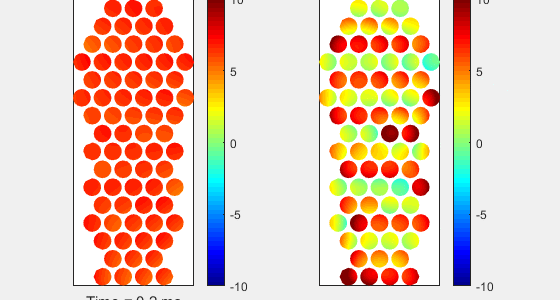
Circulating and eddy currents combined with PWM supply, illustrated with a nice video. What more could you wish for, really?
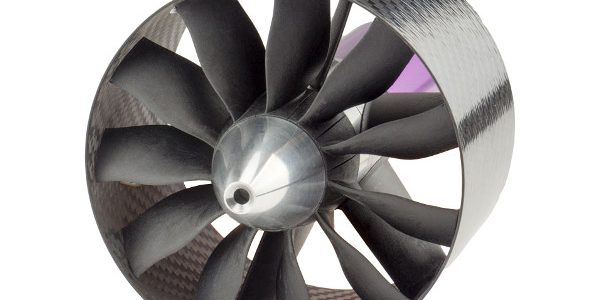
An active magnetic bearing system can be directly integrated into an electric motor, resulting in a self-levitating motor. Here’s how it works.
What are circulating currents, why are random-wound windings called random, why should you care? Find out here, with convenient bullet points!

Active magnetic bearings are widely used in high-speed machines and sensitive environments both. Here’s what they are, and how they work.