An introduction to the play and stop hysterons.
Electric Motor Design, plus stuff
An introduction to the play and stop hysterons.

Summary You may have come across the term ‘fluid flux barrier’, or ‘fluid barrier’, or in any case fluid-something, in the context of synchronous reluctance motors. I certainly have, on multiple occasions. In fact, I encountered the term multiple times…
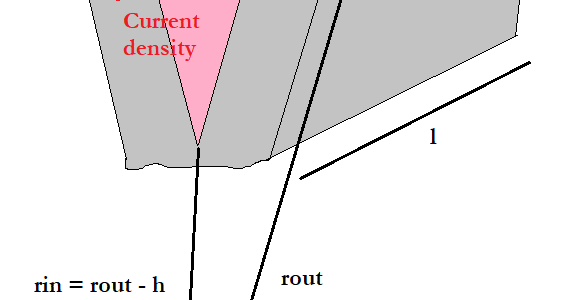
Which is better – axial or radial flux? The correct answer is complex and depends on a million things, but here’s a first-principles comparison.

Tesla Model S Plaid will apparently have carbon fiber retaining sleeves in their motors. Here are some thoughts on what this might mean.
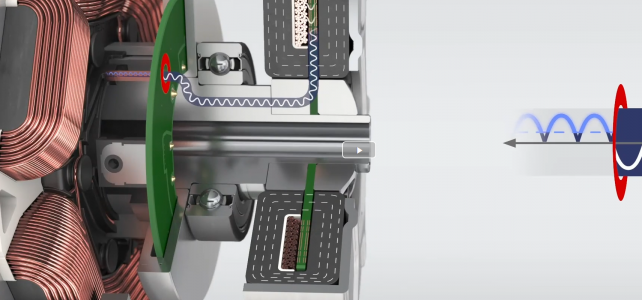
Mahle’s new EV motor is marketed with being rare-earth free and wirelessly excited, but what is the reality? Here are some first thoughts and impressions.

Linear Labs – have been making quite sizable waves in the recent year or so. But how revolutionary is their HET motor, really?

Electric motors come with various number of poles. But why is that the case, and what are the benefits and drawbacks of an increased number?

How does the peak torque capacity of an axial-flux motor compare to radial-flux. Read here to find out, kinda.

they, really? And are they as good as promised? Read to find out!
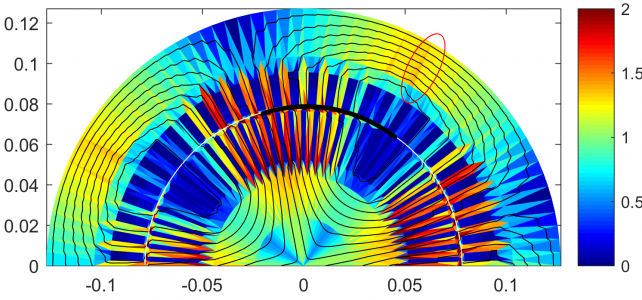
What are the most important dimensions for switched and synchronous reluctance motors? The same ones as for all motors, luckily – click for details!