Electrical machines are often simulated with symmetry sectors and periodicity conditions. This speeds up things a lot, but occasionally leads to weirdness.

Electric Motor Design, plus stuff
Electrical machines are often simulated with symmetry sectors and periodicity conditions. This speeds up things a lot, but occasionally leads to weirdness.

Per university rules, I was obligated to have a language check done on my doctoral thesis. Here’s how it went, and how you can buy a beer for me.
You learn the best by teaching. Here’s what I learned by lecturing a Master’s course called Numerical Methods in Electromechanics.

You’ve seen the textbook example of skin effect in rectangular slot-bound conductors. But what happens when the textbook is (slightly) wrong?

Skin and proximity effect can dramatically increase the losses in your electromagnetic device, as can circulating currents. Read here to learn about them!
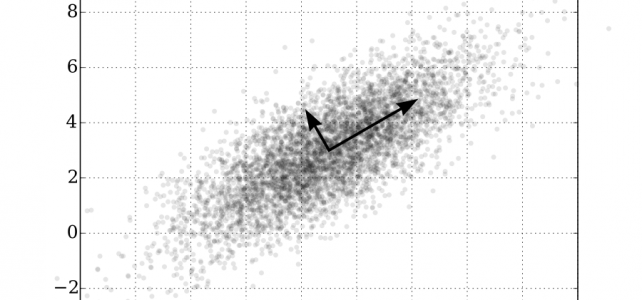
Polynomial chaos can also be used to represent random functions, but for that purpose something called a Karhunen-Lòeve expansion is also needed.
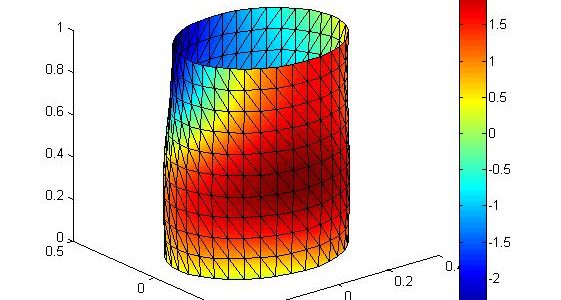
Elsewhere in FEAsphere: failure modes, and how and why they are indeed uncertain. Plus stochastics in buckling, and some collaboration in the making.

For analysing uncertain systems, something called polynomial chaos can be used. Despite the horrible name, it is actually quite simple. Read to learn!

Uncertainty quantification requires determining the sources of uncertainty, such as deviations in the product dimensions. Here’s how to do it.
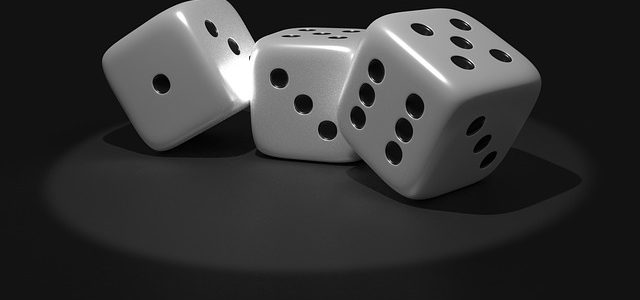
Uncertainty quantification is one of the biggest engineering topics of the last decade or so. Read to learn what it is, and why it’s important!