Analytical torque computation – aka pen-and-paper stuff. Fast, efficient, extremely enlightening – and unfortunately fairly complex, more often than not.

Electric Motor Design, plus stuff
Analytical torque computation – aka pen-and-paper stuff. Fast, efficient, extremely enlightening – and unfortunately fairly complex, more often than not.

Of mechanics in electrical machines, torsional vibrations are often the most critical. Read here to learn the basic principles, and how to analyze them.
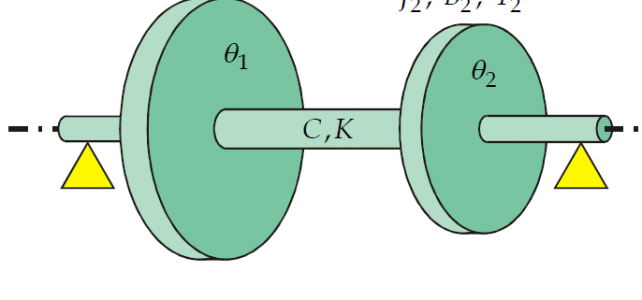
Vibrations in electrical machines can be divided into several categories, differing on the mechanism and type of vibrations produced.

Nicola Chiodetto is a PhD student at the Newcastle University developing superpowered electric motors for aircraft use. Read his interview here.
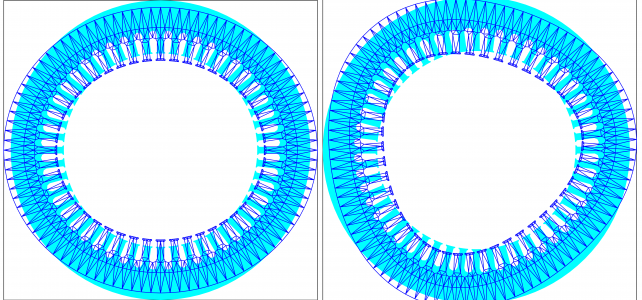
The magnetic forces in an electrical machine deform it, and the mechanical stresses influence the magnetics. Read more about this interaction here.

Alright, everyone’s seen electric cars. But what about electric aircraft? Who’s making them, and more importantly: why? Some challenges and benefits here.
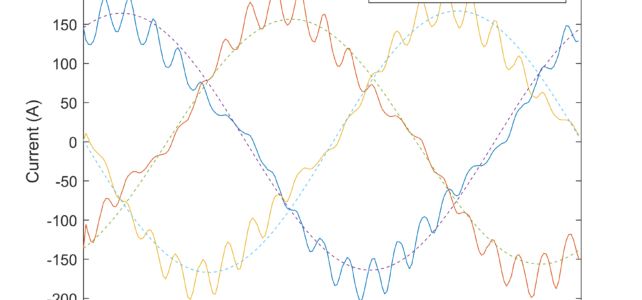
Current supply is commonly used in finite element analysis of electrical machines. Almost as commonly, that’s the wrong solution.

When should you invest time and money into computing additional winding losses in a machine?. And when is simply winging it enough?

How to solve the TEAM Workshop Problem 30a with SMEKlib, plus a comparison between it and Comsol. This time, SMEKlib was 5 times faster.

Electrical machines are often simulated with symmetry sectors and periodicity conditions. This speeds up things a lot, but occasionally leads to weirdness.