More methods for analytical torque computation. Somewhat more advanced than previously, but still simple and fast. A little more versatile, too.

Electric Motor Design, plus stuff
More methods for analytical torque computation. Somewhat more advanced than previously, but still simple and fast. A little more versatile, too.

Analytical torque computation – aka pen-and-paper stuff. Fast, efficient, extremely enlightening – and unfortunately fairly complex, more often than not.

Knowing the torque of an electric motor is kinda important, so it makes sense to double-check your results by using an alternative computation method.

The title says it all. 6 things you might not know about finite element analysis, but should. A bit tongue-in-cheek, but still valid info.

The SMEKlib library (open-source FEA for electrical machines in Matlab) just received a huge update. Here’s a brief rundown, plus associated rambling.

No matter what happened globally, on my personal level 2017 was a great year. Here’s a short rundown of the highlights, and what’s next.
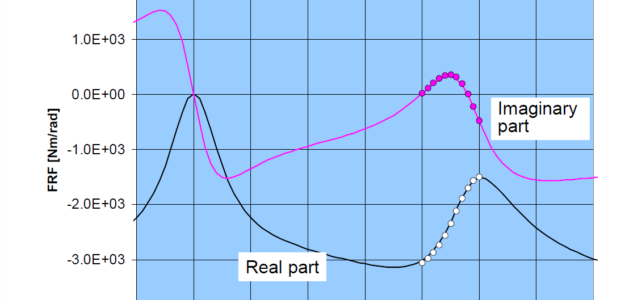
Torsional vibrations lead to oscillations in the electromagnetic torque, too. These may dampen the vibrations, but they may also do the exact opposite.

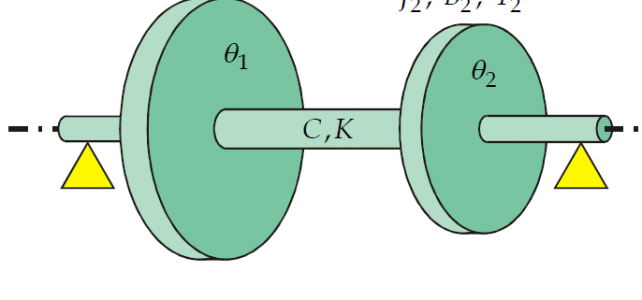
Of mechanics in electrical machines, torsional vibrations are often the most critical. Read here to learn the basic principles, and how to analyze them.
Vibrations in electrical machines can be divided into several categories, differing on the mechanism and type of vibrations produced.

You may have seen the term “second-order finite elements” mentioned once or twice. But what are they really, and where are they used? Read to learn.